Log in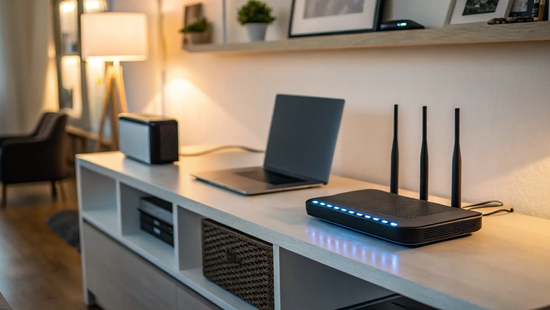
We’ve all been there: the movie starts buffering right at the climax, a crucial work video call freezes, or you get that dreaded notification that you’re nearing your data limit. These internet frustrations can bring a modern household to a grinding halt. The promise of an unlimited wifi home internet plan is supposed to be the solution, but not all plans are created equal. Some come with inconsistent speeds, hidden fees, and nonexistent customer support. This guide is here to help you cut through the noise. We’ll break down what to look for in a truly great plan so you can find a connection that works for you, not against you.
Key Takeaways
- "Unlimited" is the starting point, not the finish line: A plan without data caps is standard now. The real difference lies in consistent speed without throttling, a reliable connection that doesn't drop, and transparent pricing that keeps your bill predictable.
- The technology behind your internet matters most: Fiber-optic internet offers symmetrical upload and download speeds, which is essential for smooth video calls, gaming, and working from home. It provides a more stable and powerful connection than cable or 5G wireless.
- Vet your provider to avoid common frustrations: Before signing up, confirm service availability at your address, read the fine print for hidden fees or equipment costs, and choose a provider known for responsive, local customer support.
What is Unlimited Home WiFi?
You’ve probably seen the term “unlimited home WiFi” advertised everywhere, but what does it actually mean for your daily life? In short, it’s an internet plan that doesn’t have a data cap. This gives you the freedom to stream, game, work from home, and connect all your smart devices without ever worrying about hitting a monthly limit. You can say goodbye to those stressful notifications that you’re “approaching your data limit,” which often force you to choose between finishing a movie or risking extra charges on your bill.
With an unlimited plan, you can use the internet however you need to, whenever you want. It’s built for modern households where multiple people and devices are online at the same time. Imagine one person on a video call for work, another streaming a 4K movie, and a third deep into an online gaming session—all at once. A data cap would make that scenario a headache, but an unlimited plan handles it all without a problem. It provides the peace of mind that your connection will be there for you, running at full speed, no matter how much data your family uses. This is especially important as more of our entertainment, work, and social lives depend on a steady, reliable connection.
What "Unlimited Data" Really Means
Let's break down the term "unlimited data." It simply means your internet plan doesn't have a monthly limit on how much data you can download or upload. This is key to avoiding surprise overage fees or having your internet speed slowed down (a practice called throttling) just because you’ve had a busy month online. As our lives have moved more online, most internet providers have recognized that data caps just don’t make sense anymore. The average home in the U.S. uses about 500–700 gigabytes (GB) of data each month, with roughly one in four homes using a full terabyte (1,000 GB) or more. With unlimited data, you don’t have to track any of it.
WiFi vs. Internet: What's the Difference?
It’s also helpful to clear up the difference between "WiFi" and "internet," since the terms are often used as if they’re the same thing. Think of the internet as the main water line coming into your house—it's the actual service you pay for. WiFi, on the other hand, is like the faucet; it's the technology that wirelessly distributes that internet connection throughout your home so your devices can access it. Your internet service is the foundation, and your WiFi router is what creates the wireless network for your phone, laptop, and smart TV to join. A fast, reliable internet connection is essential, but you also need a good WiFi setup to enjoy those speeds in every room.
Who Are the Top Unlimited Home Internet Providers?
When you start looking for an unlimited home internet plan, you’ll find a lot of options. National giants and local providers are all competing for your attention, each with its own set of plans, speeds, and promises. The best choice for you really comes down to what’s available at your address and what your household actually needs. Are you a family of streamers and gamers needing top-tier speed, or do you just need a reliable connection for working from home and browsing?
To help you sort through the noise, we’ve put together a look at some of the top unlimited home internet providers, from major national brands to your friendly neighborhood fiber company. We’ll break down what makes each one stand out, whether it’s their technology, pricing structure, or unique offers. This comparison is designed to give you a clear starting point. As you read, think about your daily internet habits and which features matter most to you. Remember to always check a provider’s availability in your specific area before getting too attached to a plan. We'll cover fiber, cable, and 5G wireless options so you can see how they stack up.
Novos Fiber
As a Texas-based provider, we’re focused on one thing: delivering incredibly fast and reliable fiber internet to our communities. At Novos Fiber, we offer symmetrical speeds that can average 2,500 Mbps for both uploads and downloads. This means no more buffering during your 4K movie night or lag in the middle of a video call. Because we’re local, we’re committed to straightforward pricing without hidden fees and customer support from people who actually live here. Our goal is to provide a powerful connection you can count on, day in and day out.
Verizon 5G Home Internet
Verizon takes a different approach with its 5G Home Internet, which uses its wireless 5G network to get you online instead of a physical cable. This can be a great option in areas where traditional wired internet is limited. Their plans are often competitively priced, especially if you’re already a Verizon mobile customer. The setup is typically simple since you don’t need a technician to run a line to your house. However, performance can depend on your proximity to a 5G tower and network congestion in your area.
Xfinity
Xfinity is one of the largest cable internet providers in the country, and its main draw is often its wide availability and bundled packages. They offer a variety of speed tiers to fit different budgets and needs. One of their standout offers is a 5-Year Price Guarantee on certain internet plans, which provides some peace of mind against unexpected price hikes. As a cable provider, upload speeds are typically much lower than download speeds, which is something to keep in mind if you frequently upload large files for work or content creation.
AT&T Fiber
AT&T is another major player that offers a couple of different internet types. Their best service is AT&T Fiber, which, like Novos, uses a fiber-optic network to deliver super-fast symmetrical upload and download speeds. This makes it ideal for heavy internet use across multiple devices. In areas where fiber isn’t available, AT&T also offers a wireless option called AT&T Internet Air. When checking their services, make sure you know which type of connection is available at your address, as the performance between them is significantly different.
T-Mobile Home Internet
Similar to Verizon, T-Mobile Home Internet runs on a 5G wireless network. It’s designed to be a straightforward, no-fuss option with one main plan and price. T-Mobile often promotes bundling discounts for customers who also have their mobile phone service, which can make it an affordable choice. The service’s performance and speed depend heavily on the 5G coverage in your neighborhood. It’s a solid alternative to traditional cable, especially for those looking to simplify their bills by bundling with their phone plan.
Key Features to Look for in an Unlimited Plan
When you see the word “unlimited,” it’s easy to assume all plans are the same. But the truth is, the quality of unlimited internet plans can vary dramatically from one provider to the next. The best plans don’t just remove data caps; they deliver a consistently great online experience. To find a plan that truly meets your needs, you have to look beyond the headline promise and examine the details that make all the difference.
Think about what matters most for your daily life. Is it having enough speed for the whole family to stream, work, and play without fighting for bandwidth? Is it having a reliable connection that doesn't drop during an important video call? Or is it simply knowing that the price you see on the advertisement is the price you’ll actually pay, with no surprises? By focusing on a few key features—speed, equipment, reliability, and price transparency—you can cut through the marketing noise and identify a provider that genuinely delivers on its promise of unlimited, high-quality internet. Let’s walk through what to look for in each of these areas.
Find the Right Speed for Your Home
Speed is more than just a number; it’s about how smoothly your digital life runs. For most households, a good starting point is at least 300 Mbps. This ensures you have enough bandwidth for multiple people to stream in 4K, join video calls, and game online simultaneously without frustrating lag. When comparing plans, pay close attention to both download and upload speeds. Fiber internet providers like Novos Fiber offer symmetrical speeds, meaning your upload speed is just as fast as your download. This is a game-changer for working from home, content creation, and seamless video chats. You can explore different internet plans to find the right fit for your home.
Evaluate Equipment and WiFi Coverage
Your internet connection is only as good as the hardware that delivers it. A top-tier plan should come with modern equipment, like a Wi-Fi 6 router, which can handle more devices and provide stronger, more consistent coverage throughout your home. Before signing up, ask if a router is included and if there are any monthly rental fees. Some providers, including Novos Fiber, include a high-quality router and expert installation at no extra cost. Professional setup is a huge plus, as it ensures your network is optimized for the best possible performance from day one, saving you the headache of troubleshooting dead zones.
Check for Reliability and Uptime
What good is fast internet if it’s constantly cutting out? Reliability is crucial, especially when you depend on your connection for work, school, or entertainment. Look for providers that guarantee at least 99.9% network uptime. This figure means the network is engineered to be stable and dependable, minimizing the chances of unexpected outages. After slow speeds, unreliability is one of the most common complaints users have about their internet service. A provider that stands by its network’s uptime is showing a commitment to keeping you connected when it matters most. This is where a strong local provider can really shine by offering a dependable connection you can count on.
Demand Clear Contracts and Transparent Pricing
No one likes surprise charges on their bill. The best internet providers are upfront about their pricing, with no hidden fees, equipment rental costs, or sudden price hikes after a promotional period ends. Look for "all-in" or transparent pricing where the advertised monthly rate is what you actually pay. A fair price for a good unlimited plan typically falls between $50 and $75 per month. Always take a moment to read the fine print before you commit. This helps you understand the terms of your agreement and ensures you’re getting a great value without any strings attached, which is a core part of the Novos Fiber promise.
How Much Does Unlimited Home WiFi Cost?
Figuring out the true cost of unlimited home WiFi can feel like solving a puzzle. The monthly price you see advertised is often just one piece. You also have to account for equipment rentals, one-time installation fees, and taxes that can sneak onto your bill. A plan that looks like a bargain at first glance might end up costing more once everything is added up.
The good news is that with a little bit of homework, you can find a great plan that fits your budget without any surprise charges. A solid unlimited internet plan, with all fees and equipment costs included, should typically land somewhere between $50 and $75 per month. The key is to look for providers who are upfront about their pricing. At Novos Fiber, we believe in transparency, so the price you see for our internet plans is the price you pay, period. We’ll walk through the main costs to consider so you can compare your options like a pro.
Compare Monthly Prices
When you start shopping around, you’ll see that monthly prices for unlimited home WiFi can vary quite a bit. Some providers draw you in with low introductory rates. For example, you might see AT&T home internet plans advertised for as low as $34 per month, or Verizon’s 5G Home Internet starting at $35 per month. While these can be great deals, it’s important to read the fine print to see if that price is promotional and how much it will increase later. A good benchmark for a reliable, high-speed unlimited plan is generally in the $50 to $75 range. This price point usually gets you the speed and data you need without unexpected price hikes.
Factor in Equipment and Installation Fees
The monthly service fee is just the beginning. Always check for extra costs like equipment rentals and installation charges, as these can add a significant amount to your total expense. Some companies charge $10 to $15 a month just to rent a router. However, many providers are moving away from this model. For instance, Verizon often includes a router with their plans. At Novos Fiber, we make it simple by providing a free Wi-Fi 6 router and expert installation (a $100 value) with our service. This not only saves you money upfront but also ensures your network is set up correctly from day one for the best possible performance.
Find Available Discounts and Programs
Don’t forget to ask about potential discounts that could lower your monthly bill. Many internet providers offer special deals that can make their service even more affordable. You might find discounts for bundling your internet with a mobile phone plan, like Straight Talk’s $10 monthly discount for customers with an eligible phone plan. Some companies also participate in government assistance programs. For example, Verizon customers may be able to get home internet for as low as $20 per month through programs like the Verizon Forward and Lifeline Discounts. It’s always worth checking a provider’s website or calling their support team to see what offers you might qualify for.
The Pros and Cons of Unlimited Home Internet
Choosing an internet plan can feel like a big commitment, and "unlimited" is a major selling point. But what does it really mean for your daily streaming, gaming, and work? While unlimited plans offer freedom, they aren't all created equal. Let's break down the advantages and potential pitfalls so you can find a plan that works for you without frustrating surprises.
The Upside: Why Go Unlimited?
The biggest plus of an unlimited internet plan is peace of mind. It means your provider doesn't place a monthly limit on how much data you can use, so you can stream, work, and play without worrying about overage fees or slowed speeds. With the average U.S. household using over 500 GB of data each month, a data cap can be a real problem. An unlimited plan lets you use the internet how you want, when you want. It’s the best way to ensure your connection supports your digital life, not restricts it.
The Downside: Throttling and Other Limits
Here’s where the fine print matters. "Unlimited data" doesn't always mean "unlimited speed." Many providers practice data throttling, intentionally slowing your connection if you use a certain amount of data, especially during peak hours. This is why speed and reliability are such common complaints. While you won't be charged extra, your 4K movie might suddenly start buffering. The best providers deliver dependable service with consistently fast speeds, ensuring your "unlimited" plan actually feels unlimited.
Watch Out for Hidden Restrictions
Beyond speed, some unlimited plans come with other strings attached. Have you seen a great intro price only to have your bill creep up with equipment rental fees or other mysterious charges? It’s a common frustration. Another major issue is customer support. When your connection drops, you want help from a real person, fast. Unfortunately, many people get stuck in automated phone loops. One survey found that only 17% of customers rated their provider's technical support as excellent. Always look for a provider with clear pricing and a reputation for great local service.
Unlimited WiFi vs. Other Internet Options
Choosing an internet plan involves more than just finding one that says "unlimited." The technology that delivers it to your home is just as important. Understanding the differences between data-capped plans, mobile hotspots, and connection types like fiber or cable will help you find a truly unlimited experience that fits your life, not one that just looks good on paper. Let's break down the main comparisons you'll encounter.
Unlimited Plans vs. Data-Capped Plans
An unlimited internet plan means you can stream, game, and work online without hitting a monthly data limit. In contrast, data-capped plans can hit you with extra fees or drastically slowed speeds (throttling) if you go over. As our lives have moved more online, most internet companies have recognized that data caps are becoming a thing of the past for home internet. An unlimited data plan gives you the peace of mind to use your internet as much as you need, without the stress of tracking usage.
Home Internet vs. Mobile Hotspots
While your phone’s hotspot is great in a pinch, it’s not a true replacement for a dedicated home internet connection. Mobile hotspots run on cellular networks, which have less capacity than home internet networks. Because of this, even "unlimited" hotspot plans often have fine print that slows your speeds after a certain amount of data usage. A dedicated home internet service is built to handle multiple devices at once—laptops, smart TVs, and gaming consoles. For a household that relies on consistent, fast internet, a home internet connection is the more reliable and powerful choice.
Fiber vs. Cable vs. 5G
The technology delivering your internet makes a huge difference. Cable internet uses copper TV lines, while 5G home internet uses wireless cellular signals. Fiber-optic internet is the gold standard, using glass strands to transmit data as light for incredibly fast, symmetrical upload and download speeds. For activities like gaming, video conferencing, and uploading large files, the reliability and speed of a fiber connection are unmatched. It offers a smoother, buffer-free experience that other technologies struggle to consistently provide.
Common Issues with Unlimited Providers
The word "unlimited" sounds like a dream, but the reality can sometimes be a nightmare. While many providers offer unlimited data plans, the quality of service can differ dramatically. Before you sign a contract, it’s helpful to know about the common headaches customers face with some of the big national providers. From speeds that don’t live up to the hype to bills that are full of surprises, knowing what to watch out for can help you find a service that truly works for you.
Inconsistent Speeds and Reliability
One of the biggest letdowns with unlimited plans is performance that doesn't match the promise. You might be paying for a high-speed connection, but your experience feels more like dial-up during peak hours. This is one of the most common customer complaints for a reason. When your video calls drop, your games lag, and your movies are stuck buffering, it’s usually because your actual speeds are a fraction of what was advertised. True fiber internet, like the service we provide at Novos Fiber, delivers symmetrical upload and download speeds, so you get the performance you pay for, consistently.
Poor Customer Service
When your internet goes down, the last thing you want is to spend hours on hold or talking to a support agent who can’t help. Unfortunately, this is an all-too-common experience. A Consumer Reports survey found that very few customers rated their provider's support as excellent. Many large companies outsource their support, leading to frustrating, impersonal interactions. We believe that when you need help, you should be able to talk to a real person who is part of your community. That’s why we base our support right here in Texas, so you get fast, friendly help from a local expert.
Surprise Bills and Hidden Fees
Have you ever looked at your internet bill and wondered where all the extra charges came from? You’re not alone. Many providers lure you in with a low introductory rate, only to tack on equipment rental fees, broadcast fees, and other mysterious surcharges. The Federal Communications Commission (FCC) receives frequent complaints about misleading billing practices. Your bill shouldn't require a magnifying glass to understand. We believe in simple, fair pricing with no hidden fees or data caps. The price you see is the price you pay, so you never have to worry about end-of-the-month surprises.
How to Choose the Right Unlimited Plan for You
Picking an internet plan can feel overwhelming with all the options out there. But finding the right one comes down to a few key steps. By thinking through your needs, confirming availability, and understanding the details, you can confidently choose a plan that works for your home and your budget. Let's walk through how to find the perfect fit.
Assess Your Household's Internet Needs
First things first, think about how you actually use the internet. Are you a family of four streaming movies in different rooms? A remote worker who relies on stable video calls? Or a competitive gamer where every millisecond counts? Your daily habits will determine the speed you need. For most households, a plan with at least 300 Mbps is a great starting point to support multiple devices without slowdowns. With the average home using over 500 GB of data each month, an unlimited plan ensures you never have to worry about hitting a cap. Take a look at the different internet plans available to see which speeds align with your lifestyle.
Check for Service in Your Area
This next step is simple but crucial. Before you get your heart set on a specific provider, you need to confirm they offer service at your address. It sounds obvious, but it’s easy to get caught up in a great offer only to discover it’s not available on your street. Most providers have a tool on their website where you can plug in your address to see what’s available. For a local provider like Novos Fiber, you can easily check for availability in your neighborhood. This quick check saves you time and makes sure you’re only considering realistic options from the get-go.
Always Read the Fine Print
Once you’ve found a provider in your area, it’s time to look closer at the plan details. The advertised monthly price is just one piece of the puzzle. Make sure you understand the full cost by looking for any equipment rental fees, one-time installation charges, or taxes that might be added on. It’s also smart to look for a plan that doesn’t lock you into a long-term contract, giving you more flexibility. A provider with transparent pricing will make this information easy to find, so you know exactly what you’re paying for without any surprises on your first bill.
Frequently Asked Questions
"Unlimited data" sounds great, but are there any catches? That’s a smart question to ask. While an unlimited plan means you won’t get charged extra for using too much data, the biggest catch with some providers is a practice called throttling. This is when your internet speed is intentionally slowed down after you’ve used a certain amount of data, especially during busy hours. So, while your plan is technically unlimited, your experience might not feel that way when your movie starts buffering. The best plans offer unlimited data with consistent, reliable speeds you can count on all month long.
Why is fiber internet so often recommended over cable or 5G? Think of it in terms of the highway your data travels on. Cable and 5G are reliable, but they can experience traffic jams, especially when a lot of people are online. Fiber internet uses a dedicated line of glass strands to send data as light, which is incredibly fast and stable. This means you get a smoother, more dependable connection that isn't as affected by weather or neighborhood usage. It’s the best choice for a buffer-free experience, especially for activities that need a rock-solid connection like gaming or important video calls.
How much internet speed does my family really need? It really depends on how your household uses the internet. For a couple of people who mostly stream shows, browse online, and join the occasional video call, a plan with around 300 Mbps is a great starting point. If you have a larger family with multiple people working from home, gaming online, and streaming in 4K all at once, you’ll want to look at plans with 500 Mbps or more. The goal is to have enough bandwidth so that no one’s activity slows anyone else down.
What's the big deal with symmetrical speeds? Symmetrical speeds mean your upload speed is just as fast as your download speed, and it’s a game-changer for how we use the internet now. Most of us think about download speed for streaming movies or music. But upload speed is critical for things like video conferencing without freezing, uploading large files for work, or live-streaming your gameplay. With a symmetrical connection, which is a key feature of fiber internet, your online experience feels seamless in both directions.
Besides the monthly price, what other costs should I look out for? It’s easy to get drawn in by a low monthly price, but always check for the extra fees that can inflate your bill. The most common ones are monthly equipment rental fees for your router, which can add $10 to $15 to your bill, and one-time installation or activation charges. The best providers are transparent about their pricing and will often include a high-quality router and professional installation at no extra cost, so the price you see advertised is the price you actually pay.