Log in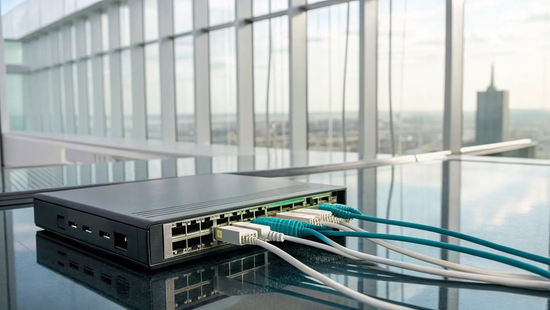
If your home internet feels like it’s struggling to keep up, you’re not alone. Between 4K streaming, non-stop video calls, and online gaming, our bandwidth needs have grown exponentially. This is where the conversation shifts to a more powerful solution. But what is multi gig internet, and is it something you actually need? It refers to an internet connection offering speeds above 1 Gbps, like 2 Gbps or 5 Gbps, delivered over a powerful fiber optic network. This massive pipeline for data eliminates digital traffic jams, providing enough capacity for dozens of devices to run flawlessly at once. It’s the difference between a connection that works and one that feels truly limitless, especially for large families and power users.
Key Takeaways
- Solve Your Home's Bandwidth Battles: Multi-gig internet is the answer if your family is constantly fighting for bandwidth. It provides enough speed for everyone to stream, game, and work at the same time without any frustrating slowdowns or buffering.
- Get Symmetrical Speeds for Flawless Uploads: A multi-gig fiber connection gives you upload speeds that are just as fast as your downloads. This is a huge advantage for smooth video calls, quick cloud backups, and sending large files for work or content creation in minutes, not hours.
- Check Your Gear to Get Full Speed: To actually experience multi-gig speeds, your equipment needs to be up to the task. This means having a router with a multi-gig WAN port (usually 2.5G or higher) and using Cat6a or better Ethernet cables for your most important wired connections.
What Is Multi-Gig Internet?
You’ve probably heard the term “gig-speed internet,” which usually refers to a connection that delivers speeds up to 1 Gigabit per second (Gbps). For a long time, that was the fastest internet you could get at home. Multi-gig internet is the next step up, offering speeds faster than 1 Gbps. Think 2 Gbps, 5 Gbps, or even more.
As our homes fill with more connected devices, from smart TVs and security cameras to laptops and gaming consoles, our need for bandwidth grows. Multi-gig internet, delivered over a powerful fiber optic network, is designed to handle that demand with ease. It ensures that everyone in your household can stream, work, and play simultaneously without fighting for bandwidth. With a multi-gig connection, you’re not just getting faster internet; you’re getting a more capable and reliable connection built for modern life. You can explore different internet plans to see what kind of speed is available for your home.
Multi-Gig vs. Standard Broadband: What's the Difference?
The main difference between multi-gig and standard broadband is raw speed and capacity. While a 1 Gbps plan is incredibly fast and sufficient for many, a multi-gig plan provides a much larger pipeline for data. Imagine your internet connection is a highway. A 1 Gbps plan is a wide, fast-moving highway. A multi-gig plan is like having several more lanes, ensuring your data gets where it needs to go without traffic jams, even during peak hours. This extra capacity is perfect for large households where multiple people are streaming in 4K, joining video calls, and gaming online all at once. It’s the difference between a great connection and one that feels limitless.
Understanding Multi-Gig Speed Tiers
Multi-gig internet isn't a one-size-fits-all solution. It comes in different speed tiers, allowing you to choose the right level of performance for your needs. A 2 Gig plan, for example, is fantastic for a large family with 20 or more devices, eliminating buffering and lag for good. Stepping up to a 5 Gig plan is ideal for content creators who need to upload massive video files in minutes, not hours, or for tech enthusiasts using data-heavy applications like virtual reality. Because these speeds are delivered via a fiber connection, you also get symmetrical speeds, meaning your upload speeds are just as fast as your download speeds. This is a game-changer for video calls, online gaming, and sending large files.
Is Multi-Gig Internet Right for You?
So, you know what multi-gig internet is, but the big question remains: do you actually need it? While a standard gigabit connection is plenty fast for many people, multi-gig speeds are a true game-changer for certain households and power users. If you’ve ever felt the frustration of a lagging video call while someone else is gaming, or waited forever for a huge file to upload, you might be in the right place. Let's look at a few scenarios where upgrading to one of our multi-gig plans makes a world of difference.
For Large Households and Connected Families
Picture this: the kids are streaming cartoons in 4K, your partner is on a video conference for work, and you’re trying to download a new game. In a busy home, everyone is competing for bandwidth. Multi-gig internet eliminates this digital tug-of-war. With speeds over 1 Gbps, there’s more than enough capacity to go around. This means everyone can stream, work, and play simultaneously without a single buffering wheel or dropped connection. It’s the perfect solution for keeping a connected family happy and productive, ensuring your home network runs smoothly no matter how many devices are online.
For Gamers and Live Streamers
For gamers and streamers, a split-second can mean the difference between winning and losing, or a smooth stream versus a pixelated mess. Multi-gig internet delivers the ultra-low latency and high upload speeds you need for a competitive edge. Forget about lag spikes during intense gameplay. If you’re a streamer, the symmetrical speeds of a fiber connection ensure your broadcast is crystal clear for your audience. You can play, stream, and download updates all at once without your connection breaking a sweat. It’s about creating a seamless experience for both you and your viewers.
For Remote Workers and Content Creators
Working from home has become the new normal, and for many, that means dealing with massive files and back-to-back video calls. If you’re a content creator, video editor, or architect, you know the pain of waiting for large projects to upload or download. Multi-gig internet, especially a fiber connection with symmetrical speeds, changes everything. Uploading a high-resolution video file can take minutes instead of hours. As a local provider built on trust, we know how important that reliability is for your work. This upgrade gives you back your most valuable resource: time.
For Smart Home Enthusiasts
Your smart home is only as smart as the connection that powers it. Every security camera, smart speaker, thermostat, and lightbulb is constantly connected to your network, quietly using bandwidth. While one or two devices won’t cause a problem, a home full of them can start to strain a standard internet connection. Multi-gig internet provides the massive capacity needed to run dozens of smart devices flawlessly in the background. This ensures your security cameras are always recording in high definition and your voice commands are instantly responsive, all without slowing down your other online activities.
The Perks of a Multi-Gig Connection
So, what does a multi-gig connection actually do for you? Beyond just seeing a bigger number on a speed test, these plans transform how you use the internet at home. Think of it as moving from a two-lane country road to a ten-lane superhighway. Suddenly, there’s more than enough room for everyone and everything, making your entire digital life smoother, faster, and more reliable. From work and play to keeping your home running, the benefits are tangible.
Enjoy Blazing-Fast Symmetrical Speeds
One of the biggest advantages of a multi-gig fiber connection is getting symmetrical speeds. This means your upload speed is just as fast as your download speed. With traditional cable internet, uploads are often a fraction of the download rate, which can create frustrating bottlenecks. If you’ve ever waited ages for a large work file or a high-resolution video to upload, you know the pain.
With a multi-gig plan from a provider like Novos Fiber, you can send massive files in seconds, not hours. This is a game-changer for content creators, photographers, and anyone who shares large amounts of data. Downloads are equally impressive, letting you grab entire seasons of a show or huge game files in a flash.
Connect All Your Devices Without Slowdowns
In the average home, the number of internet-connected devices adds up quickly. You might have laptops, smartphones, a smart TV, gaming consoles, security cameras, and smart speakers all running at once. On a standard connection, this can lead to a digital traffic jam where everything slows to a crawl. Your movie starts buffering right as someone else hops on a video call.
A multi-gig connection provides the massive bandwidth needed to handle dozens of devices simultaneously without breaking a sweat. It’s perfect for large families and tech-savvy households where everyone is online at the same time. You can work from home on a video conference while your kids are gaming online and streaming 4K movies, all without a single hiccup.
Experience Ultra-Low Latency for Gaming and Calls
Speed isn't just about how fast you can download a file; it's also about responsiveness. Latency, or ping, is the tiny delay between when you take an action and when you see the response. For competitive gamers, high latency can mean the difference between victory and defeat. For remote workers, it causes that awkward lag in video calls that makes conversations feel stilted.
Multi-gig fiber internet offers incredibly low latency, creating a near-instant connection. This makes online gaming feel incredibly fluid and responsive, while video conferences become as clear and immediate as talking in person. It’s the kind of seamless experience that, once you have it, you’ll wonder how you ever lived without.
Get a Connection That's Ready for the Future
Technology never stands still. The demands we place on our internet connections are only going to increase with the rise of 8K streaming, virtual and augmented reality, and even more sophisticated smart home devices. Choosing a multi-gig plan is a way to future-proof your home network, ensuring you’re ready for whatever innovations come next.
Instead of needing to upgrade your plan every few years to keep up, you’ll have a robust connection built to handle emerging technologies. It’s an investment in your home’s digital foundation, giving you peace of mind that your internet won’t be the weak link. This forward-thinking approach is central to how local providers are building networks designed to serve communities for years to come.
Getting Your Gear Ready for Multi-Gig
Switching to a multi-gig internet plan is the first step, but to actually get those incredible speeds on your devices, your home network equipment needs to be ready. Think of it like this: you can have the biggest water main in the city connected to your house, but if you’re still using a tiny garden hose inside, you’ll only get a trickle. Making sure your gear is compatible is key to opening up the fire hose of speed that multi-gig internet provides.
Don’t worry, this is easier than it sounds. You just need to check a few key pieces of equipment: your router, your Wi-Fi standard, your cables, and maybe a network switch if you have a lot of wired devices. When you sign up for one of our fiber internet plans, we provide you with equipment that’s ready for blazing-fast speeds. Still, understanding how it all works together will help you get the most out of your connection and troubleshoot any issues down the line. Let’s walk through what you need.
Choosing a Multi-Gig Router and Modem
Your router is the heart of your home network, directing all that internet traffic to your different devices. To handle multi-gig speeds, your router needs to have the right hardware. Specifically, you’ll want to look for a router with a special port labeled "Multi-Gig Ethernet" or "2.5G Ethernet." This port is designed to accept speeds greater than 1 Gbps from your modem.
Without this specific port, your router will cap your incoming internet speed at 1 Gbps, no matter how fast your plan is. When shopping for a new router, make sure the WAN (internet) port is multi-gig capable. This ensures the full speed you’re paying for can actually enter your home network. Many modern routers designed for performance gaming or large homes now include these, making it easier to find one that fits your needs.
Wi-Fi 6 vs. Wi-Fi 7: What's Best for You?
Once the internet is in your router, the next step is getting it to your wireless devices. This is where your Wi-Fi standard comes in. You’ve probably seen terms like Wi-Fi 6 (802.11ax) and the newer Wi-Fi 7 (802.11be). These standards determine how fast and efficiently your router can send signals to your laptops, phones, and smart home gadgets. A Wi-Fi 6 router is a fantastic match for a multi-gig connection, as it’s designed to deliver gigabit-plus speeds over the air and handle dozens of devices at once without slowing down.
For most families, remote workers, and even serious gamers, Wi-Fi 6 is more than enough to feel the full power of a multi-gig plan. Wi-Fi 7 is the next generation, offering even faster potential speeds and lower latency. While it’s an exciting development that helps future-proof your home network, you’ll only see its benefits if you also have Wi-Fi 7 compatible devices, which are still emerging.
Don't Forget the Right Ethernet Cables
This is one of the most overlooked parts of a home network setup, but it’s so important. For your wired connections, like a desktop computer or gaming console, the Ethernet cable you use can be a major bottleneck. If you’re using an old cable (you can usually find the type printed on the side), you might be limiting your own speed. Older Cat5e cables can technically handle multi-gig speeds over very short distances, but they aren’t reliable for it.
To guarantee you’re getting the performance you expect, you should use at least a Cat6a or Cat7 cable. These cables are built with better shielding and tighter-wound copper to support speeds up to 10 Gbps, ensuring a rock-solid connection between your router and your most important devices. They aren’t expensive, and upgrading them is a cheap and easy way to make sure you’re not leaving any speed on the table.
Using Multi-Gig Switches for Full Coverage
If you’re a power user with a lot of wired devices in one area, like a home office or an entertainment center, you might run out of ports on your router. That’s where a network switch comes in. A switch acts like a power strip for your internet, turning one Ethernet port into many. However, just like with your router, you need to make sure you get a multi-gig switch.
A standard gigabit switch will limit every device connected to it to 1 Gbps. A multi-gig switch, on the other hand, has ports that can handle speeds of 2.5 Gbps or higher. This is perfect for connecting your gaming PC, work laptop, and a network-attached storage (NAS) drive all at once, allowing each device to access the full speed of your multi-gig connection. It ensures that no single piece of hardware is holding back the rest of your network.
What to Know Before You Upgrade
Making the switch to multi-gig internet is an exciting step toward a faster, more reliable digital life. But before you jump in, a little preparation can ensure you get the seamless experience you’re looking for from day one. Taking a few moments to check your current setup and understand the process will help you make a smooth transition and enjoy every bit of that incredible new speed. Think of it as setting the stage for a major performance; you want to make sure everything is in the right place.
From your router to the cables connecting your devices, a few key pieces need to be ready for multi-gig speeds. Let’s walk through what you need to know to get your home prepared for an internet upgrade.
Checking Your Equipment Compatibility
To get the full benefit of multi-gig speeds, your hardware needs to be up to the task. The most important piece of the puzzle is your router. You’ll want to check if it has special ports labeled “Multi-Gig Ethernet” or “2.5G Multi-Gig Ethernet.” These ports are specifically designed to handle speeds greater than 1 Gbps. If your router only has standard “Gigabit Ethernet” ports, it will cap your wired speeds at 1 Gbps, creating a bottleneck. While some tech-savvy users can use a feature called Ethernet port aggregation to combine two ports, the simplest path is ensuring your router is multi-gig ready from the start.
Understanding the Setup Process
Once you have a compatible router, the rest of the setup is pretty straightforward. To build a Multi-Gig network at home, you’ll connect your devices directly to your router’s multi-gig ports for the fastest possible connection. For the best performance, make sure you’re using the right cables. Look for Cat6 or, even better, Cat6a Ethernet cables, as they are built to support higher bandwidth without dropping speed. If you have a home office or entertainment center with lots of wired devices, you might also consider a multi-gig switch to expand the number of available high-speed ports.
Checking for Multi-Gig Availability
The first and most important step is confirming that multi-gig service is available at your address. Since fiber infrastructure is still expanding, not all areas have access to these top-tier speeds just yet. At Novos Fiber, we’re working hard to connect more Texas communities every day. You can easily see if our blazing-fast, multi-gig fiber internet is available in your neighborhood. Choosing a multi-gig plan is also a great way to future-proof your home. With experts predicting that the average family will need more than 2 Gbps of speed in the coming years, upgrading now ensures your connection is ready for whatever comes next.
Do You Really Need Multi-Gig Internet?
Let's be honest, the idea of multi-gig internet sounds amazing. But is it something you actually need, or is it just hype? The truth is, it depends entirely on how you use the internet. While a standard fiber connection is more than enough for many people, certain digital habits and household sizes can push your bandwidth to its limits. Before you jump to the fastest plan available, it’s helpful to separate the facts from the fiction and look for the real signs that your current speed is holding you back.
Debunking Common Speed Myths
One of the biggest myths is that multi-gig is only for tech gurus or massive corporations. In reality, multi-gig internet is simply a connection that offers speeds faster than 1 Gbps, and it’s becoming more widely available for homes. While it’s true that most households don’t need that much speed today, our data demands are growing fast. In fact, some experts think that by 2030, a typical family of four will need more than 2 Gbps to keep everything running smoothly. So, while you might not need it this very second, thinking about multi-gig is less about overkill and more about preparing your home for the future.
Telltale Signs It's Time to Upgrade
So, how do you know if you've outgrown your current plan? The signs are usually pretty obvious. If you live in a large household where multiple people are streaming 4K movies, gaming online, and video conferencing at the same time, you're a prime candidate. Constant buffering, frustrating lag spikes during crucial gameplay, or slow uploads when you’re working from home are all telltale signs. Your home requires a lot of bandwidth to keep everyone connected without a hitch. If your smart home devices get sluggish or your connection feels strained during peak evening hours, it might be time to look at our services and consider an upgrade.
Is Multi-Gig Internet Worth It?
This is the main question, isn't it? You see these incredible multi-gig speeds advertised and wonder if they’re a game-changer or just overkill. The honest answer is: it depends entirely on how you use the internet. For some, upgrading is a no-brainer that solves daily frustrations. For others, a standard high-speed plan is more than enough to keep everyone happy.
The key is to look past the numbers and think about your actual, day-to-day experience. Are you constantly fighting for bandwidth in a busy home? Do you transfer massive files for work? Or does your current internet handle everything you throw at it without breaking a sweat? Let's break down the cost versus the real-world value to help you decide if a multi-gig plan is the right move for you.
Breaking Down the Cost vs. Value
Multi-gig internet is a premium service, and it’s priced accordingly. The real value comes from what it unlocks for specific types of users. If your home is packed with devices and people all online at once, the investment can be well worth it. Think of a household where one person is on a work video call, another is live streaming their gameplay, and a few others are streaming 4K movies. A multi-gig connection ensures everyone has a smooth, buffer-free experience without anyone having to compromise. It’s designed for these high-demand environments. When you look at our internet plans, you're not just buying speed; you're buying peace of mind and a connection that’s ready for the future.
Knowing When Standard Speeds Are Just Fine
Here’s the thing: most homes don't need a multi-gig plan right now, and that's perfectly okay. A standard gigabit plan, which offers speeds around 1,000 Mbps, is incredibly fast and can easily support a busy family. It’s more than enough for streaming movies in 4K, joining video conferences, and playing online games across several devices simultaneously. If your current connection feels slow, a great first step is to run a speed test to check your current performance. You might find that a reliable gigabit fiber connection is the perfect fit for your needs, giving you all the speed you want without paying for capacity you won't use. It's all about finding the right balance for your home.
Experience Multi-Gig Speeds with Novos Fiber
If you’ve ever felt the frustration of a lagging video call or a game that freezes at a critical moment, multi-gig internet is the solution you’ve been waiting for. This is the next generation of internet, offering speeds faster than 1 Gigabit per second (Gbps). What was once a rare luxury is now becoming the new standard for a truly seamless online experience, and at Novos Fiber, we’re excited to bring that power directly to your home. Our network is built to deliver the multi-gig speeds that modern households need.
Imagine everyone in your family streaming, gaming, and working from home at the same time, with no one complaining about a slow connection. That’s the reality with a multi-gig plan. Because our service uses a 100% fiber optic network, you get symmetrical speeds, which means your upload speeds are just as fast as your download speeds. This is a game-changer for video conferencing, sharing large files, and live streaming your own content without a hitch. It’s not just about having faster internet today; it’s about getting a connection that’s ready for the smart home devices and new technologies of tomorrow.
We believe that incredible speed should come with a personal touch. As a local Texas provider, we’re committed to giving our communities an internet connection they can rely on, backed by people who live right here. If you’re tired of fighting for bandwidth and ready for an internet experience that just works, you can check if we serve your neighborhood and find the right plan for your home.
Related Articles
Frequently Asked Questions
What's the big deal with symmetrical speeds? Think of your internet connection as having two lanes of traffic. One lane is for downloading (streaming movies, browsing websites) and the other is for uploading (video calls, sending files, online gaming). With most internet types, the upload lane is much smaller and slower. Symmetrical speeds, a key feature of fiber internet, make both lanes equally fast and wide. This means your video calls are crystal clear, your game commands are instant, and you can send huge work files without a long wait.
Do I have to replace all my equipment to get multi-gig speeds? Not necessarily, but you'll need the right gear to get the full benefit. The most important piece is your router, which needs a special multi-gig port to accept speeds over 1 Gbps. When you sign up with us, we provide equipment that's ready for these speeds. If you use your own gear, you'll also want to check your Ethernet cables. Using at least a Cat6a cable for your most important wired devices is a simple and inexpensive way to ensure you're not limiting your own connection.
Will multi-gig internet fix my bad Wi-Fi signal in certain rooms? This is a great question because it separates two different issues: internet speed and Wi-Fi coverage. A multi-gig plan gives your network a massive amount of speed to share, but it won't magically strengthen a weak signal in the far corner of your house. If you have dead zones, the solution is usually better router placement or a mesh Wi-Fi system that extends your signal. A faster plan helps ensure that once you are connected, your experience is flawless.
If I don't upgrade, is my 1 Gbps plan already slow? Absolutely not. A 1 Gbps fiber plan is still incredibly fast and more than enough for most households. It can easily handle 4K streaming, online gaming, and remote work for a busy family. Think of multi-gig as a specialized service for homes with exceptionally high demands, like those with professional content creators, dozens of smart devices, or multiple serious gamers all online at once. It's about serving power users and future-proofing your home, not about making gigabit plans obsolete.
How can I tell if I've actually outgrown my current internet plan? The signs are usually pretty clear and often involve digital frustration. You might notice that movies start buffering the moment someone else in the house starts a video call. Perhaps you experience lag spikes in online games during peak evening hours, or you find yourself waiting an uncomfortably long time for work files to upload. If your connection feels strained and you're constantly juggling who can be online, it's a strong signal that your household's demand for bandwidth has outgrown your current plan's capacity.